
Field notes for senior professionals.
Each issue is written for one reader — the person at the top of their field who is privately navigating it without a peer they can be fully honest with.
Nothing for sale inside it. Ever.
Subscribe to Unhappy Mondays

The owner has a number. He has never written it down. He does not need to. He has carried it for years; what the practice is worth, what he would accept to walk away, what a year of his own time is worth to someone else. The number sits behind every decision. Whether to hold out another two years. Whether the offer that came in last spring was insulting or close.

Sunday afternoon. The week arrives in your chest before it arrives on the calendar. Most owners label it mood, sleep, or season. It is usually none of those.
This week's Unhappy Mondays and a one-page tool to test what the weight is actually telling you.
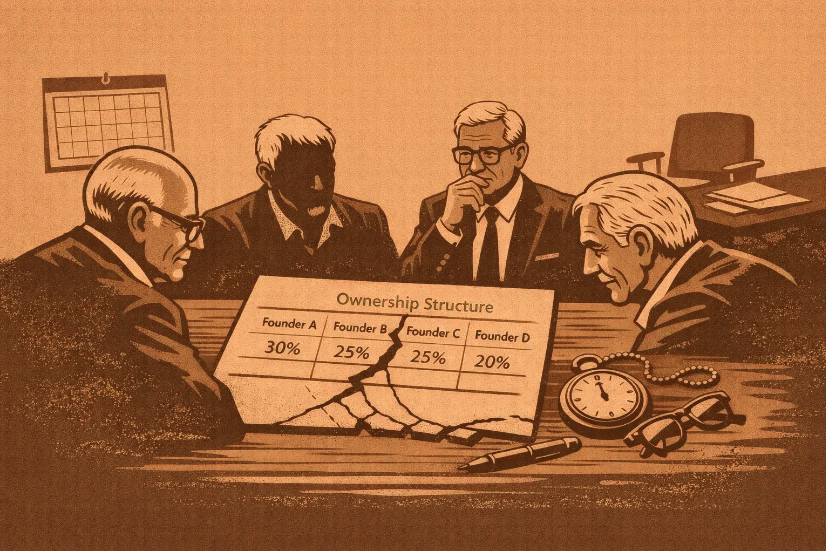
In many firms, the ownership structure reflects history more than current reality.
Senior founders reduce their involvement. Equity stays fixed. No handover plan exists. The strain builds quietly until something forces the issue.
This week’s Unhappy Mondays covers the cost of leaving succession too late.

A password change can shut a firm down faster than most legal disputes.
Banking stops. Payroll freezes. Email disappears. Staff start using personal phones. No one knows who still has access.
That is operational control being used as leverage.
This week’s Unhappy Mondays covers the pattern, the risk, and the fix.
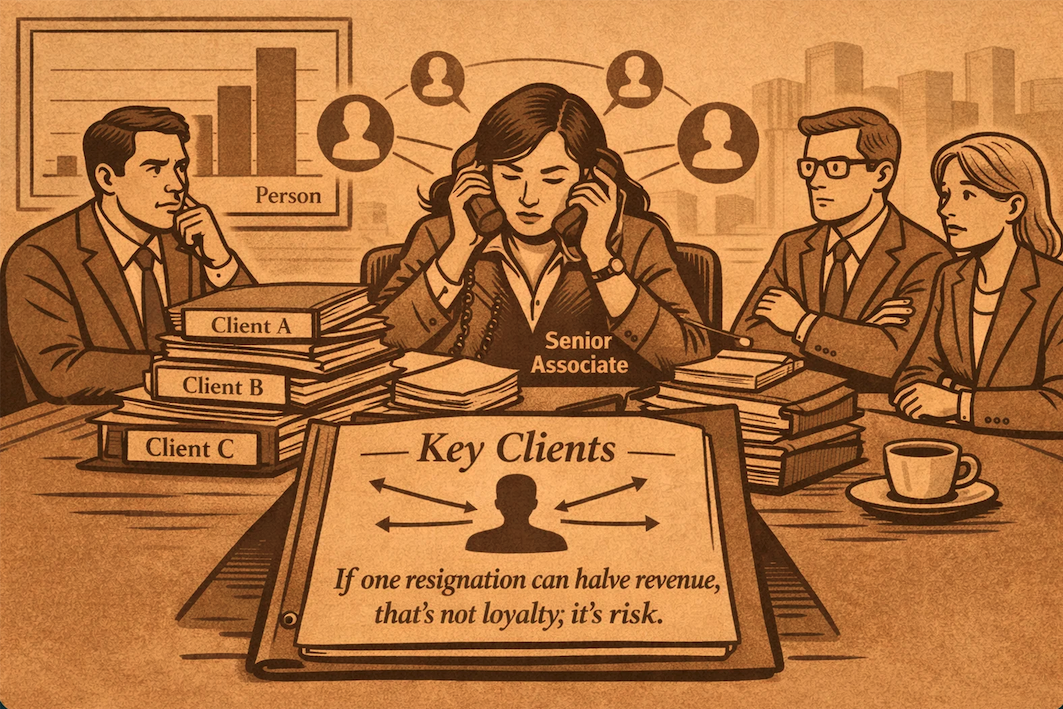
One resignation should never threaten half a firm’s revenue.
Yet in many practices, a single “trusted” senior quietly becomes the whole client relationship.
This week’s Unhappy Mondays looks at the Key Person Trap – how it forms, how to spot it early, and what to change before a departing employee takes your fee base with them.
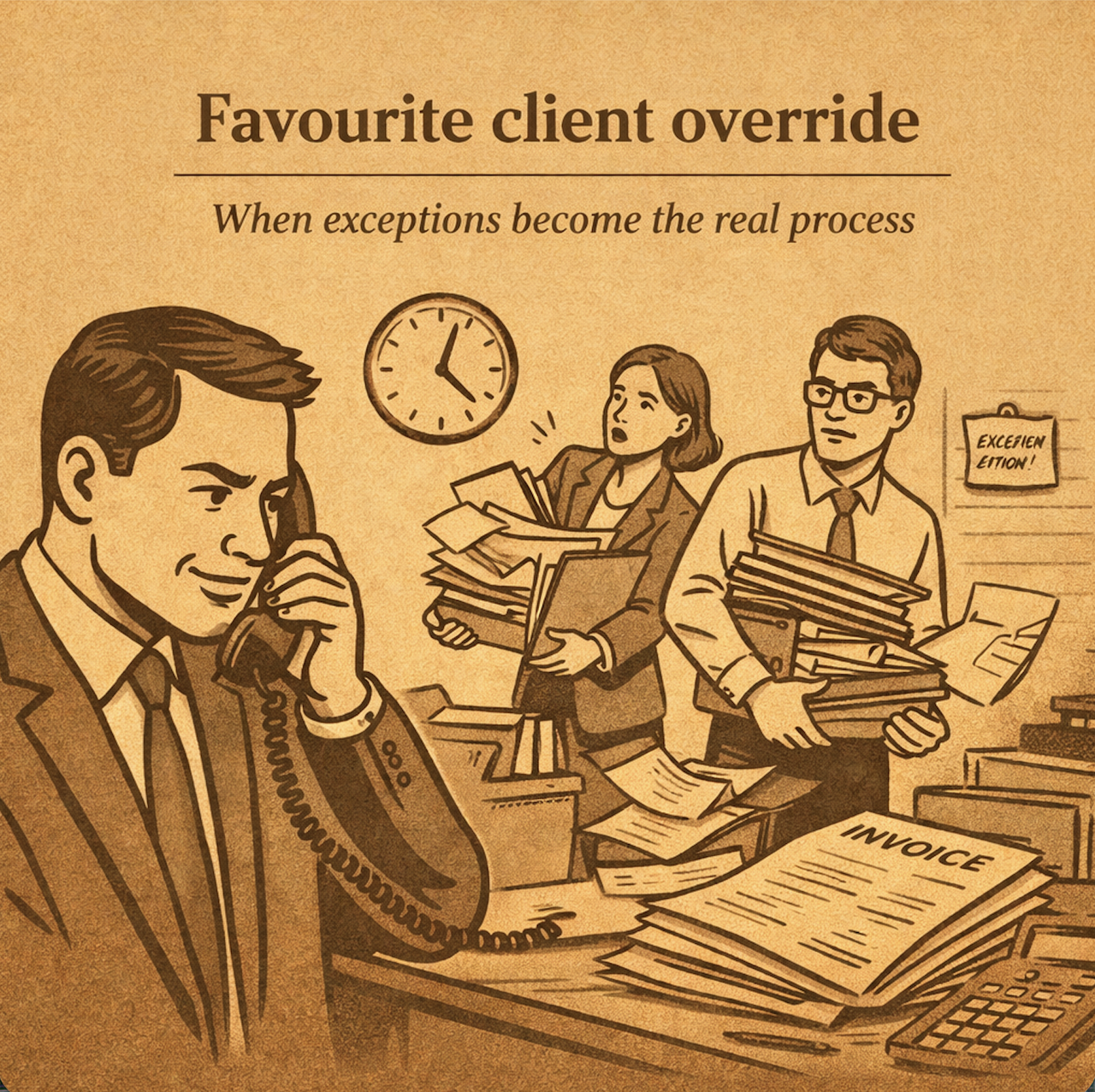
A firm makes one exception for a valued client. Then it makes the same exception again because it feels easier than resetting the terms.
In small practices, one person can override the standard quickly. The override is rarely documented. The team learns that “the rules” depend on the client and who took the call.
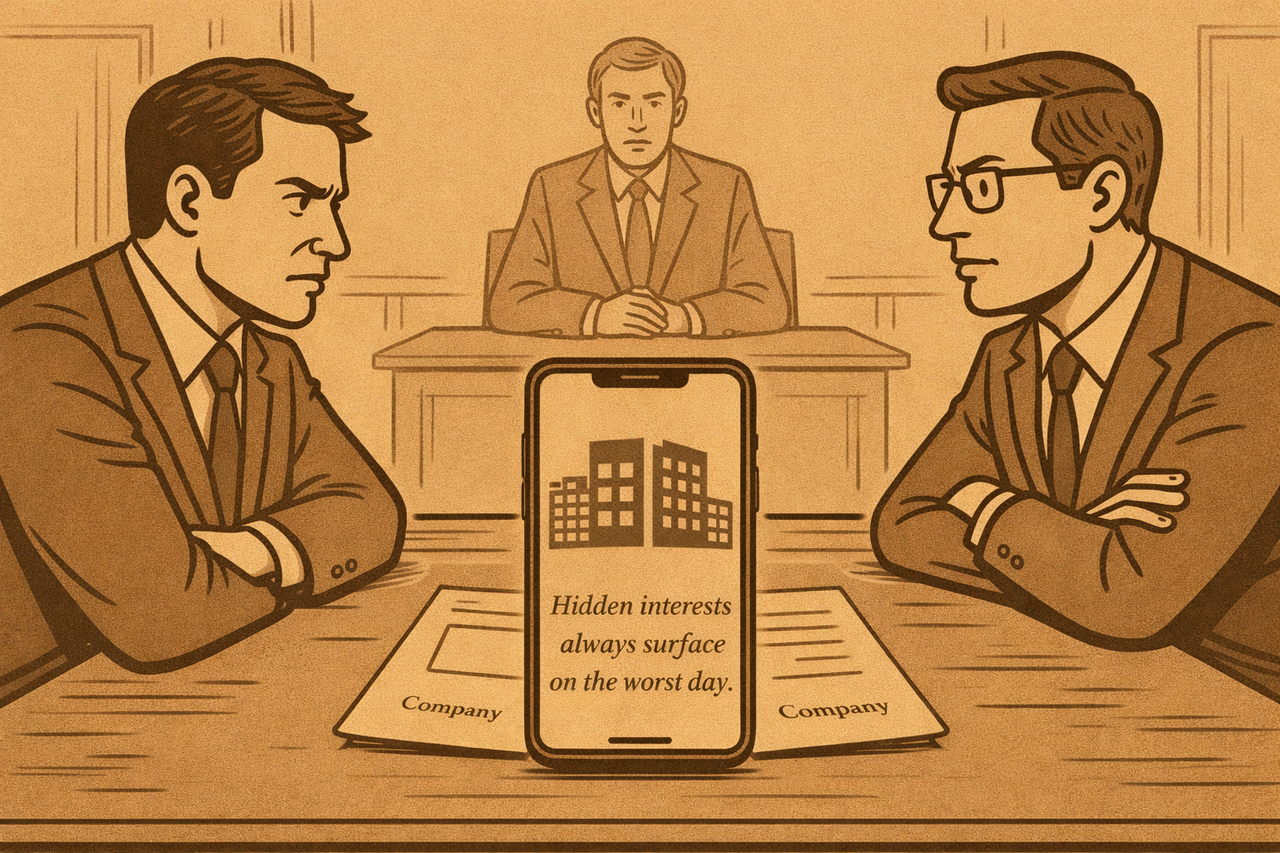
A partner discovers the other has a competing side business. Undeclared conflicts and blurred duty of loyalty.
How to deal with the issues without resorting to litigation - Implement a written related-party and outside-interests register, reviewed quarterly.
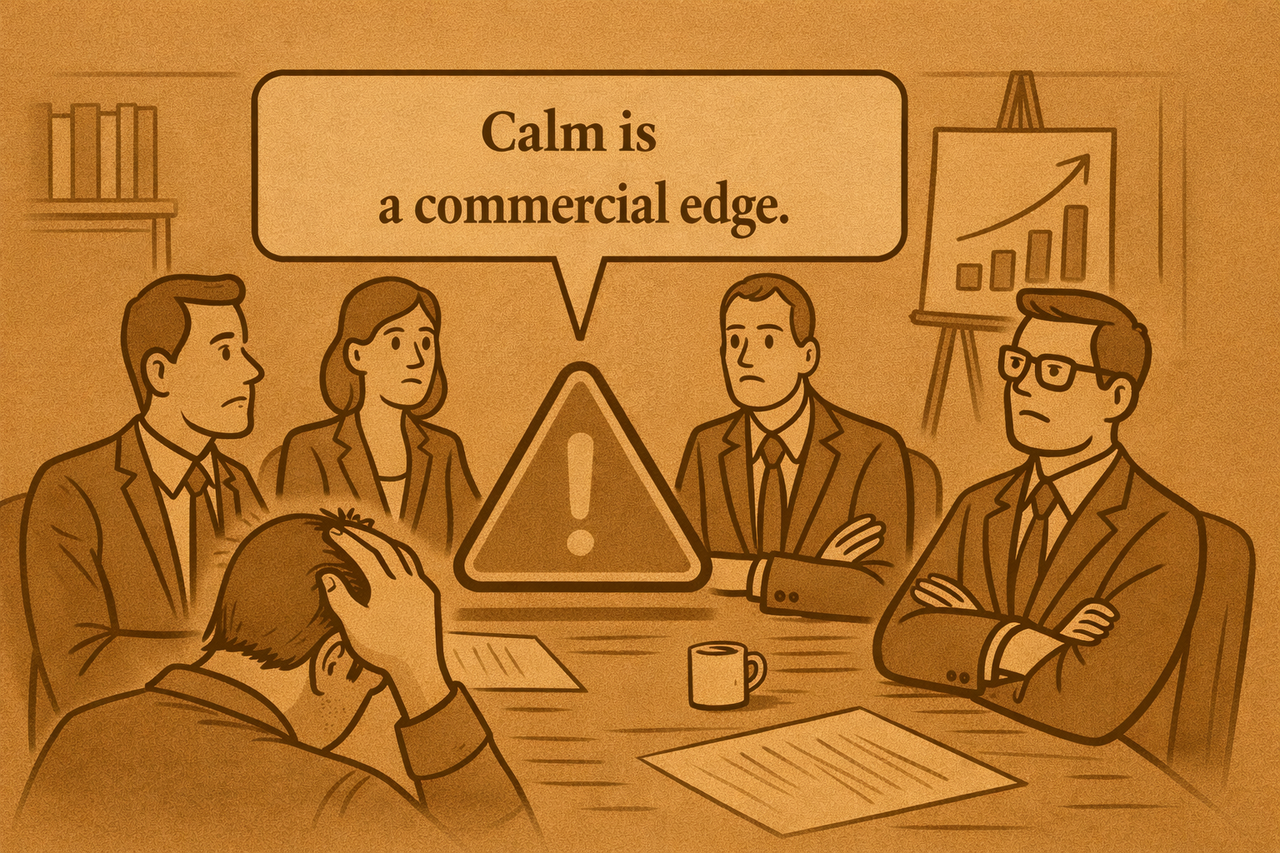
Every firm has a reactor in the room. One angry email. One upset client. By 8.15am the partner meeting has been hijacked. Hiring, pricing, succession – all pushed to “next week” so everyone can “fix this now”. That pattern is Emotional Governance. The most reactive person in the room sets the agenda. Incidents drive structure, margin, and staffing decisions. When you separate incident response from governance, decisions move from mood to sequence. You get fewer reversals, clearer promises to clients, and staff who trust the run-sheet.
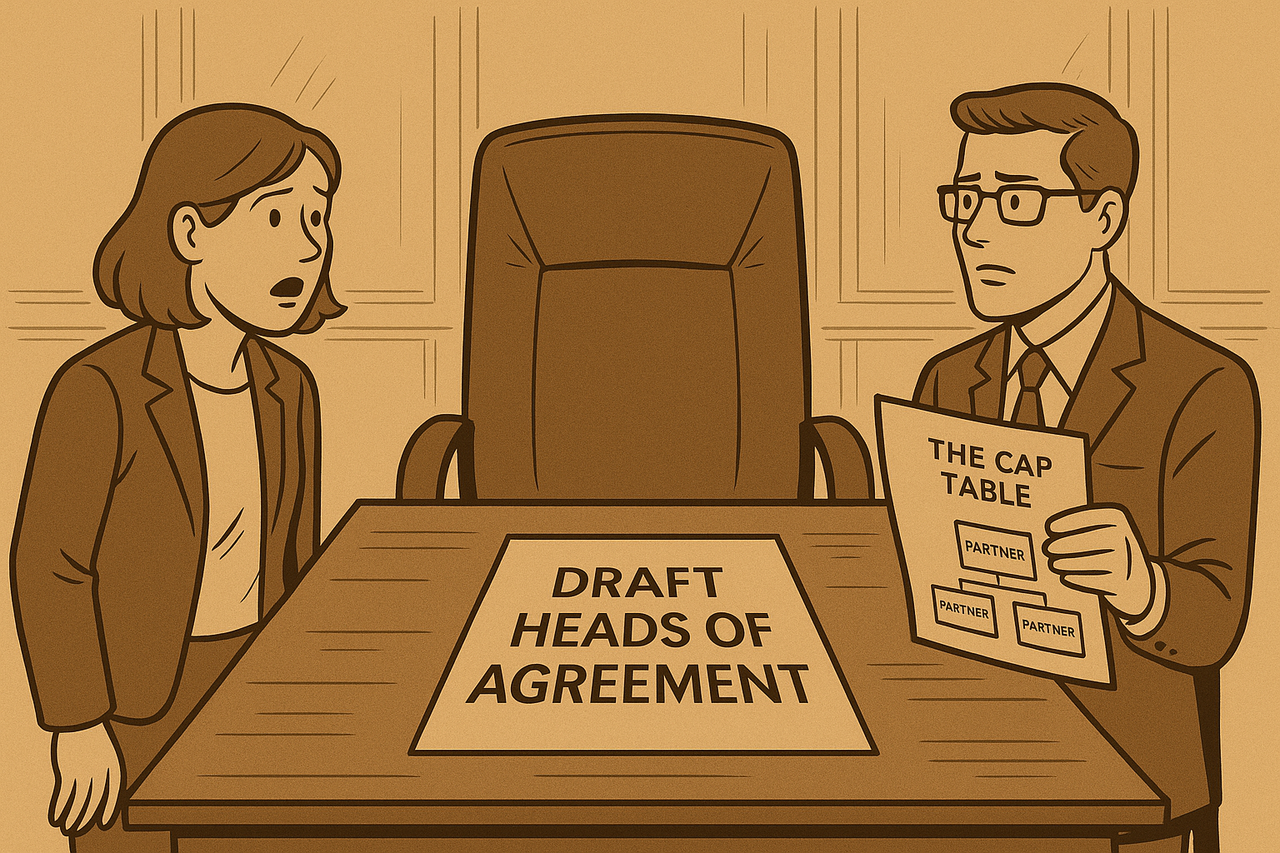
Senior staff have been “promised” equity for years.
The cap table for a sale or merger appears. Their names are missing.
This week’s Unhappy Mondays looks at Implied Ownership (unfunded promises that turn high performers into claimants) and the simple audit to clean them up before a deal.
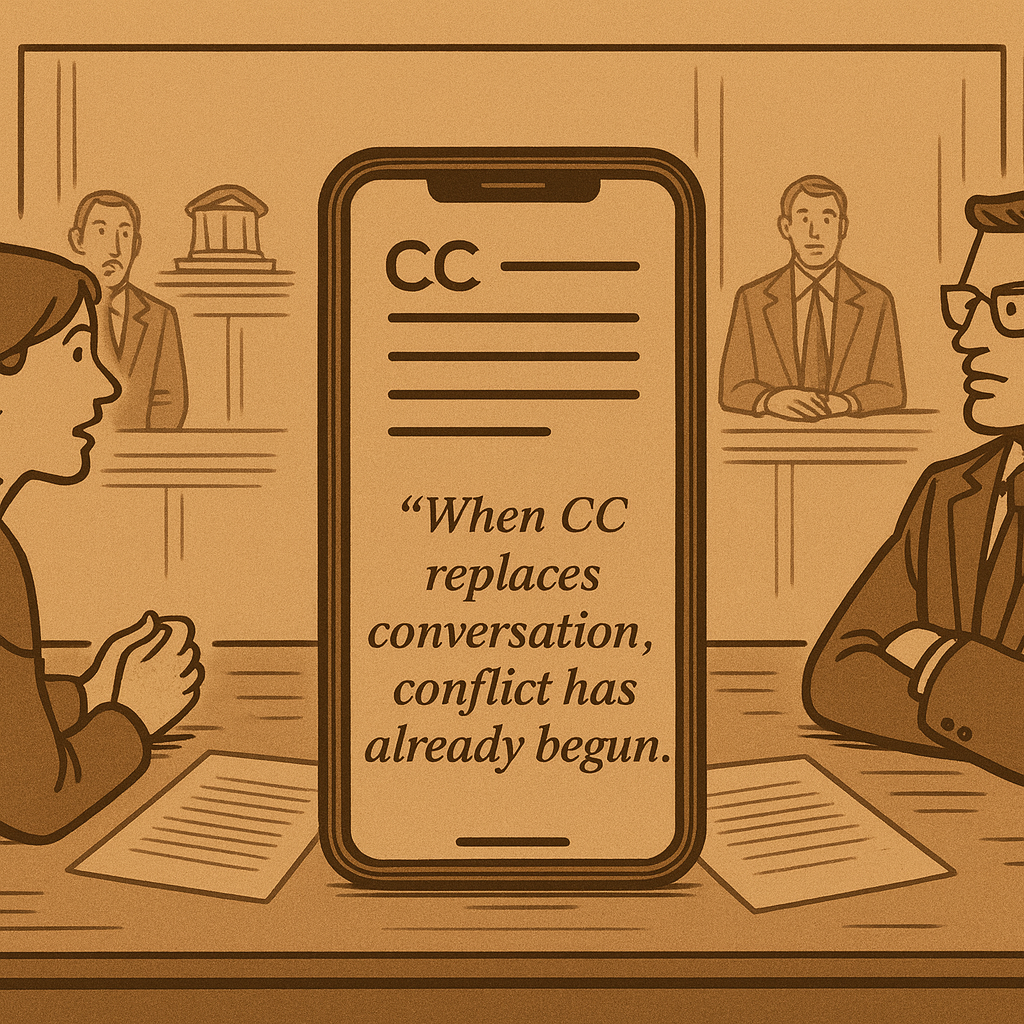
When CC Means Conflict
In this piece, I unpack how routine emails between business partners quietly turn into legal battlegrounds; long before a dispute is formally declared. It’s not about poor communication. It’s about communication weaponised. If your inbox feels more like a litigation file than a leadership tool, this one’s worth a read.
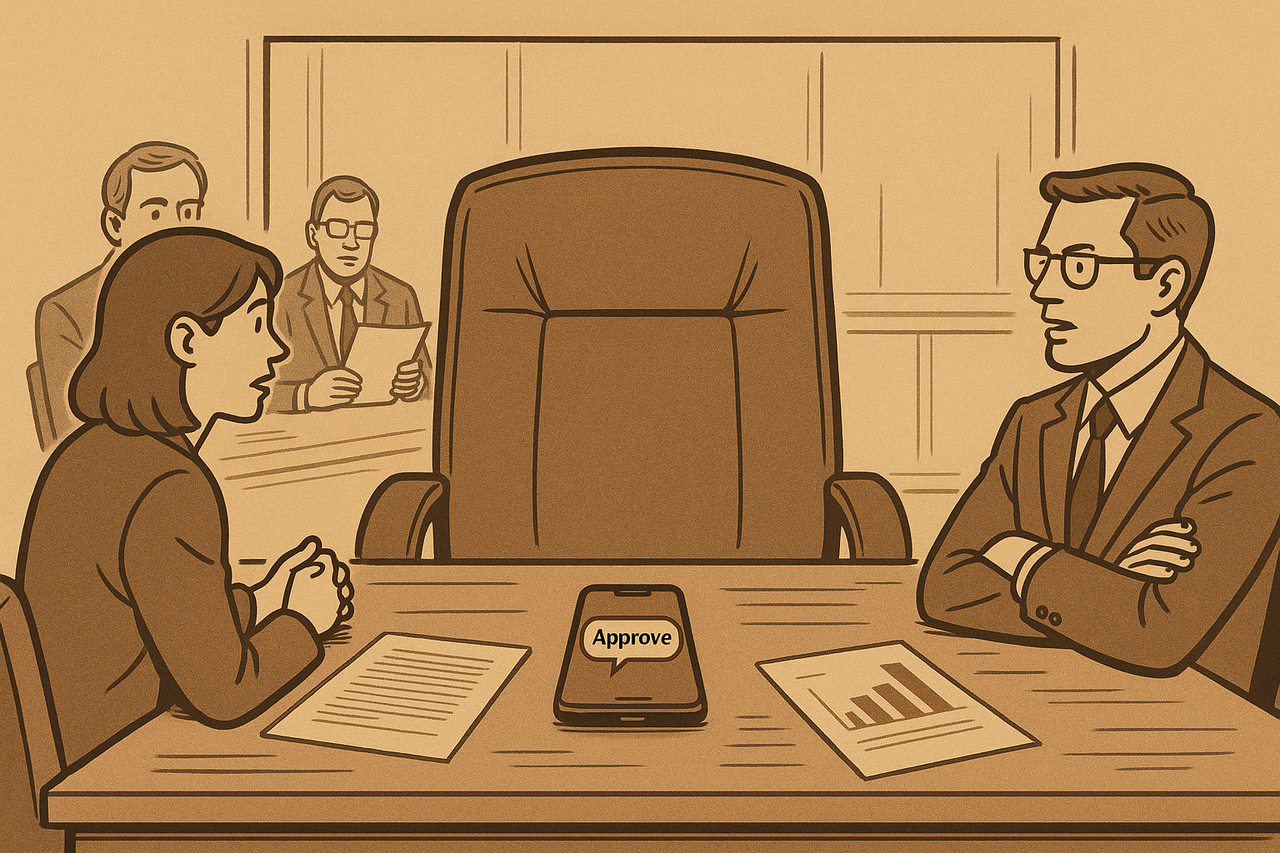
Every firm or business has that director who replies “approve” from their phone and calls it governance. Their name carries legal risk and comfort for banks and buyers, but they no longer act as a live director.
This issue of The K Advisory Notes maps the silent partner pattern and sets out an Assess → Align → Act checklist for repairing it.
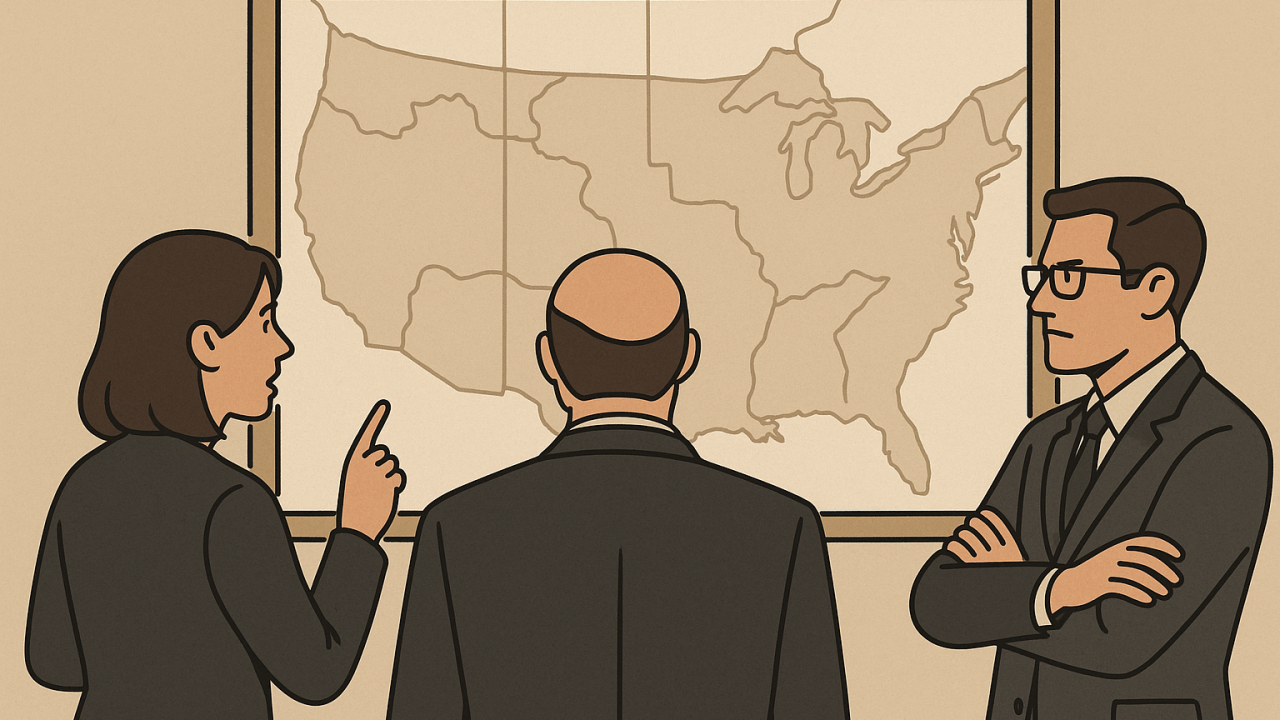
Absence of defined authority creates emotional waste. It turns competent people into interpreters of mood. Partners start measuring influence instead of outcomes. Staff hide behind “waiting for approval.” The business slows without noticing.
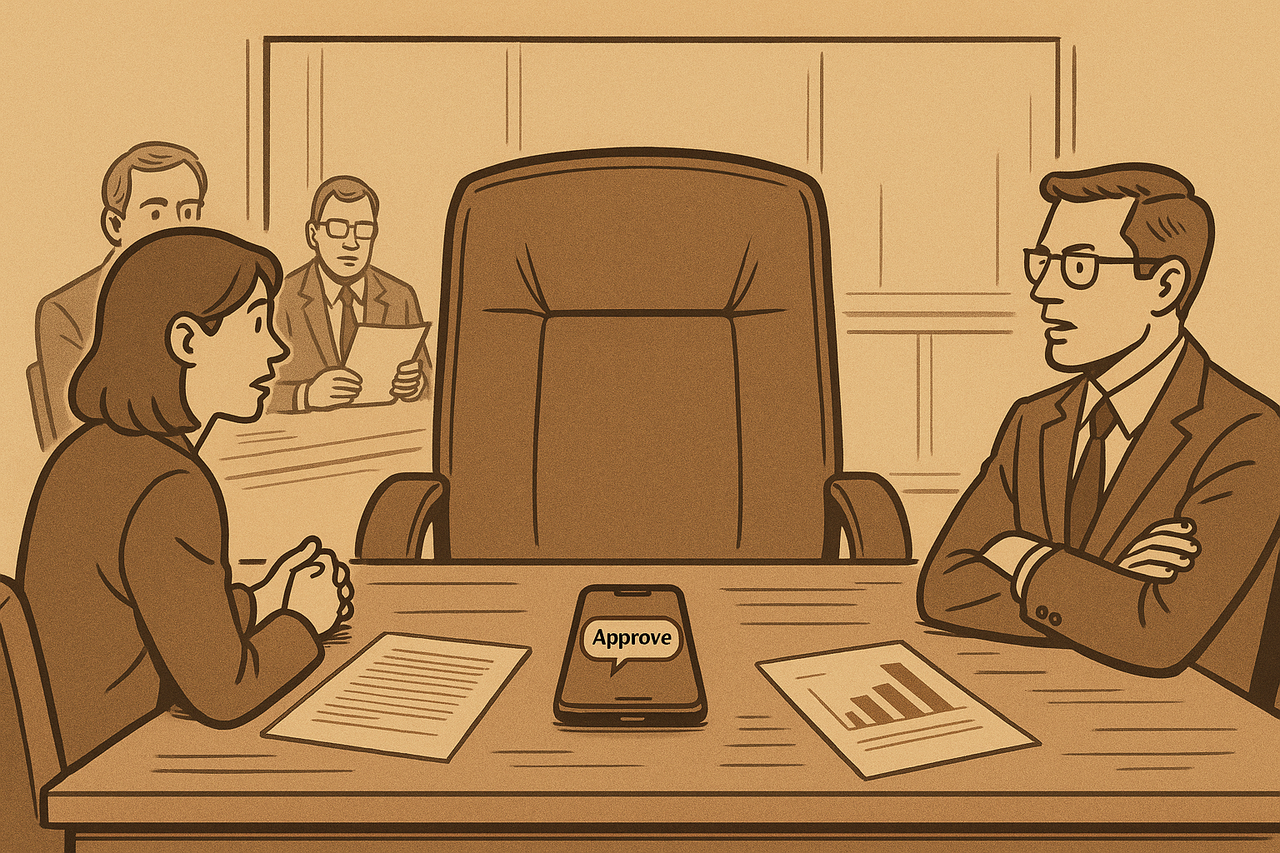
Every partnership ends. Only timing is negotiable. When leaders postpone that conversation, value bleeds quietly—through stalled decisions, rising staff attrition, and reputational fatigue. By the time lawyers are called, half the damage is already sunk cost.
Subscribe to access the full article and receive our newsletter.
